It’s a difficult time to be running an export business.
The international market is in a volatile and unpredictable state. This volatility makes it difficult to overcome the key export hurdles and make a profit from your overseas sales.
Let’s take a look at four of the key export challenges and how we can help keep your export strategy on track.
1. Escalating freight costs and shipping delays
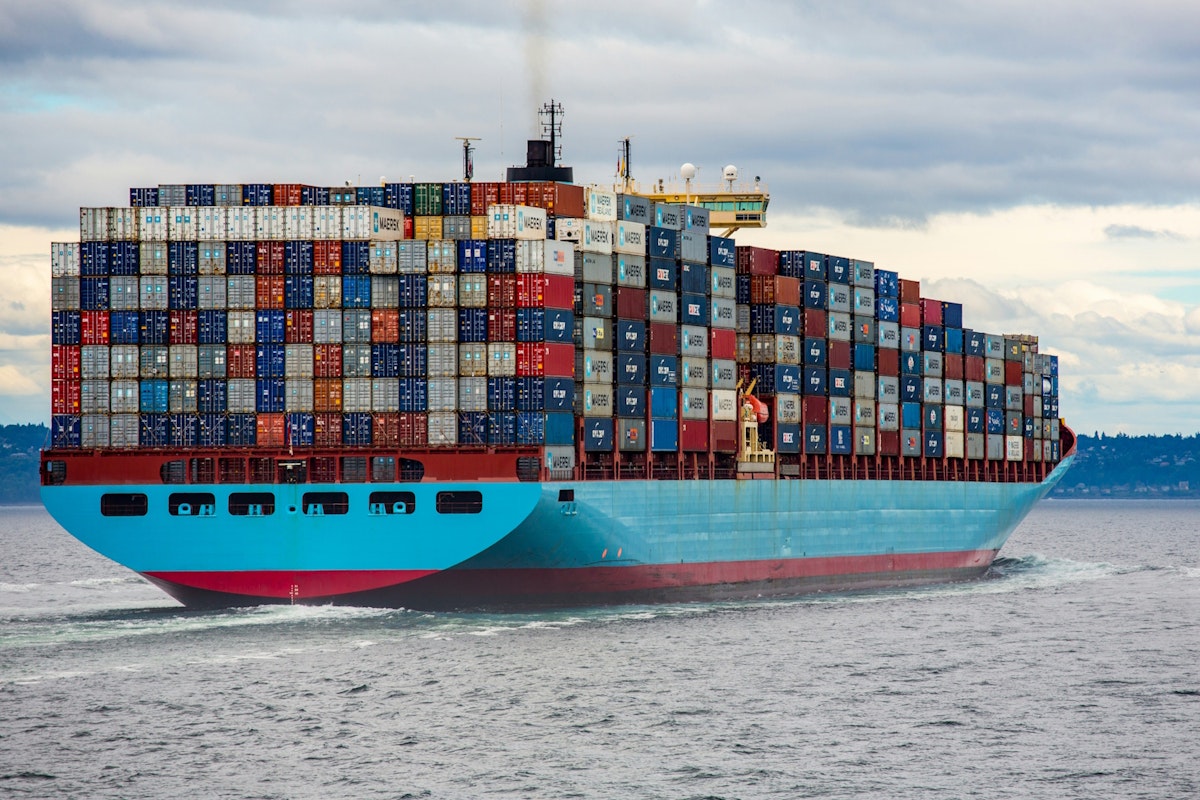
Ongoing tensions in the Middle East and blockades of the shipping lanes in the Strait of Hormuz are forcing cargo to be rerouted around Africa. This is increasing transit times and pushing up container costs – putting a major drain on your working capital.
2. Volatile tariffs and non-tariff pressures
As an exporter, you face the double burden of fluctuating trade tariffs and highly complex non-tariff measures (NTMs). These hidden regulatory costs now outweigh actual tariffs for most countries, creating massive compliance bottlenecks that can slow down the entire supply chain.
3. Slow economic growth and weak demand
Global growth is projected to be 3.0% in 2026 and 3.4% in 2027, down from the average of 3.5% observed in 2024-25, according to the latest research by the IMF. In these conditions, and with inflation still high globally, there’s a widespread cost-of-living crisis across many core consumer nations. That means reduced consumer demand and fewer overseas orders.
4. Superpower pressures and tariff spikes
As an Aussie export business, you face immense strategic pressure navigating the trade tensions between the US and China. The Trump administration’s volatile trade tariffs are pushing up the costs of exporting to the US, while Chinese exporters are undercutting your price point and squeezing your margins.
With trade conditions evolving and changing almost on a daily business, it’s vital to make your export strategy both flexible and agile.
Our team can help you plan for tariff changes, keep you updated with changes in export legislation and scenario-plan the impact of changing export costs for your margins.